


Anxiety vs. Stress: How to Tell the Difference and Why It Matters
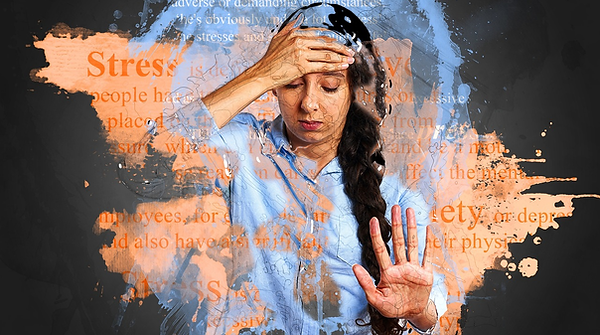
You Finished the Week. So Why Does Something Still Feel Wrong?
The deadline passed. The emails are answered. The weekend is here. And yet your chest is still tight. Your mind is still scanning for the next problem. You feel dread, but you cannot name what you are dreading.
This is one of the most common experiences people bring to Salvage Psychiatry. And it points to one of the most important distinctions in mental health care: the difference between stress and anxiety.
Getting this wrong is costly. Most people apply stress solutions to an anxiety problem. They download productivity apps, reorganize their schedules, and push harder. Nothing changes. That failure erodes self-trust over time.
At Salvage Psychiatry, we believe the right diagnosis leads to the right solution. This post will give you the clinical clarity you need to tell the difference between stress and anxiety, and show you what each one actually requires.
What Is Stress? Your Body Responding to Something Real
Stress is a biological response to an identifiable, external demand. A deadline. A difficult conversation. A financial pressure. Stress has an address. You know what caused it.
When the brain perceives a real threat, the sympathetic nervous system activates. Cortisol and adrenaline flood the body. Your heart rate increases. Your muscles tighten. Your focus sharpens.
This is normal. This is functional. Stress is your body doing its job.
The key feature of stress is that it is time-limited. When the external trigger resolves, the stress response winds down. Rest, sleep, or completing the task brings relief.
Common physical signs of stress include:
Muscle tension and headaches
Fatigue after the stressor passes
Irritability during high-demand periods
Disrupted sleep tied to a specific situation
What helps stress? Addressing the source directly. Better time management, setting boundaries, delegating tasks, and building in recovery time are all effective tools for stress. These are practical, external solutions for an external problem.
Provider Insight: "At Salvage Psychiatry, we see a lot of high-functioning adults in the Warner Center area who are genuinely over-stressed. The solution there is workload and boundary work. But when we dig deeper and find the anxiety underneath the busyness, that requires a completely different clinical approach." — Taiye Osawe, DNP
What Is Anxiety? A Signal Without a Source
Anxiety activates the same biological alarm system as stress. Elevated cortisol. Racing heart. Muscle tension. Hypervigilance. The body responds as though a threat exists.
But with anxiety, there is no clear external trigger. The environment is calm. The deadline passed. The crisis resolved. And the alarm is still going.
This is the clinical signature of anxiety: the threat-detection system fires without a proportional external cause. The brain generates a persistent, internal sense of danger that does not respond to logic or task completion.
This is why people with anxiety often feel anxious for no reason. The reason is not absent. It is internal.
Common symptoms of anxiety include:
Anticipatory dread about situations that have not happened
Intrusive "what if" thinking that loops without resolution
Physical symptoms like chest tightness, dizziness, and shortness of breath with no medical cause
Hypervigilance in calm environments
Difficulty relaxing even after completing everything on the to-do list
Anxiety does not respond to productivity strategies. Organizing your desk does not quiet an overactive amygdala. The problem is internal, and the solution must be internal too.
Provider Insight: "I specialize in treatment-resistant cases, including ADHD, Bipolar Disorder, and Depression. In these populations, anxiety is almost always present and almost always misread. People come to us after years of trying to 'fix themselves' with systems and routines. What they needed was clinical support, not a better planner." — Taiye Osawe, DNP
Stress vs. Anxiety: The Clinical Comparison
Feature
Stress
Anxiety
Trigger Source
External and identifiable
Internal or ambiguous
Duration
Time-limited
Persistent, even in calm
Physical Signs
Tension, fatigue, headache
Chest tightness, racing heart, dizziness
Thought Pattern
"I have too much to do"
"Something is wrong and I don't know what"
What Actually Helps
Rest, boundaries, task completion
Grounding, therapy, medication evaluation
Can Stress Turn Into Anxiety?
Yes. This is one of the most important clinical facts to understand.
Chronic, unresolved stress can sensitize the brain's threat-response system over time. When the nervous system stays in a high-alert state for weeks or months without adequate recovery, it begins to fire even in the absence of a real threat.
Research from the National Institute of Mental Health confirms that prolonged stress exposure is a significant risk factor for developing generalized anxiety disorder. This is not weakness. It is neurological adaptation to sustained pressure.
This is why addressing stress early matters. It also explains why many adults who describe themselves as "always anxious" can trace the pattern back to a sustained period of unmanaged stress.
At Salvage Psychiatry, medication management and therapy work together to interrupt this cycle and restore regulation.

What Actually Helps: Matched Solutions for Each Condition
For Stress
Identify the specific external stressor and address it directly
Set realistic expectations for your workload
Build recovery time into your schedule, not as a reward but as a requirement
Prioritize sleep, physical movement, and consistent nutrition
Talk to someone you trust about what you are carrying
For Anxiety
Diaphragmatic breathing activates the vagal nerve and signals safety to the brain
Somatic grounding, like the 5-4-3-2-1 sensory method, brings the nervous system into the present moment
Cognitive Behavioral Therapy (CBT) helps identify and restructure distorted thinking patterns
Dialectical Behavior Therapy (DBT) builds emotional regulation and distress tolerance
Medication evaluation is appropriate when anxiety is persistent, impairing daily function, or treatment-resistant
Provider Insight: "We offer affordable psychiatry in Woodland Hills because we believe access to care should not depend on your income. Our sliding scale fee structure is built for people without insurance. Mental health care is not a luxury at Salvage Psychiatry. It is a right." — Taiye Osawe, DNP
Salvage Psychiatry also offers telehealth services for adults across California who need flexible, accessible mental health care without commuting to our Woodland Hills office.
When To Seek Professional Support
Seek a clinical evaluation when:
Anxiety persists for more than two weeks without a clear external trigger
Symptoms interfere with work, relationships, or daily functioning
You have tried self-help strategies without sustained relief
Physical symptoms like chest pain, dizziness, or shortness of breath appear without a medical cause
You are managing a co-occurring condition like ADHD, Bipolar Disorder, or Depression
At Salvage Psychiatry, we specialize in complex cases. We work with adults who have tried other providers and other treatments without success. Salvaging wellness for treatment-resistant presentations is the core of what we do.
Our clinic is located on the 10th floor of the Owensmouth Ave building in Warner Center, a professional and quiet environment designed for focus and healing. We also serve clients across California through telehealth.
FAQ
Q: What is the main difference between stress and anxiety?
Stress is caused by an external, identifiable trigger and resolves when that trigger is addressed. Anxiety is internally generated, persists without a clear cause, and requires internal regulation strategies or clinical support to manage effectively.
Q: Can stress turn into anxiety?
Yes. Prolonged, unmanaged stress can sensitize the brain's threat-detection system. Over time, the nervous system begins generating anxiety responses even in the absence of a real threat. This is a neurological process, not a personal failure.
Q: Why do I feel anxious for no reason?
The reason exists. It is internal. Anxiety is generated by an overactive threat-detection system in the brain, not always by something happening in your environment. A clinical evaluation helps identify whether a diagnosis and treatment plan are appropriate.
Q: What are the physical signs of anxiety vs. stress?
Both produce muscle tension, disrupted sleep, and fatigue. Anxiety more commonly produces chest tightness, dizziness, shortness of breath, and physical symptoms that persist even in calm environments. Stress symptoms tend to resolve once the external pressure lifts.
Q: How do I manage stress and anxiety at work?
For stress, address the workload directly by setting boundaries and building recovery time. For anxiety, grounding techniques, structured breathing, and professional support through therapy and medication management are more effective. Productivity strategies alone do not treat anxiety.
Q: Does Salvage Psychiatry offer affordable care?
Yes. Salvage Psychiatry offers a sliding scale fee for clients without insurance. We believe mental health care should be accessible regardless of your financial situation. Visit salvagepsychiatry.com to learn more.
Get the Right Care for What You Are Actually Experiencing
Stress and anxiety are not the same condition. They do not respond to the same solutions.
If you have been applying stress tools to an anxiety problem, that is not a failure of effort. It is a mismatch of approach.
At Salvage Psychiatry in Woodland Hills, California, Taiye Osawe, DNP provides compassionate, clinically rigorous psychiatric care for adults managing anxiety, ADHD, Bipolar Disorder, and treatment-resistant Depression. We offer in-person visits in Warner Center and telehealth appointments across California. Affordable psychiatry and medication management are available, including sliding scale options for those without insurance.
Book your consultation today at www.salvagepsychiatry.com. Your first step toward clarity is one appointment away.